Livonia Spray Foam InsulationClosed-Cell & Open-Cell Spray Foam · Air Sealing
Crawl Space Encapsulation & Insulation · Livonia

Crawl Space Encapsulation and Insulation in Livonia, MI

We seal the dirt floor and walls of your Livonia crawl space, then insulate it, so the rooms above feel warmer and drier.

1-2 days installs · typical timeline

Tell us about your project.

We'll be back to you the same business day.

No spam. We'll text you to confirm.

Sealed crawl space with insulation
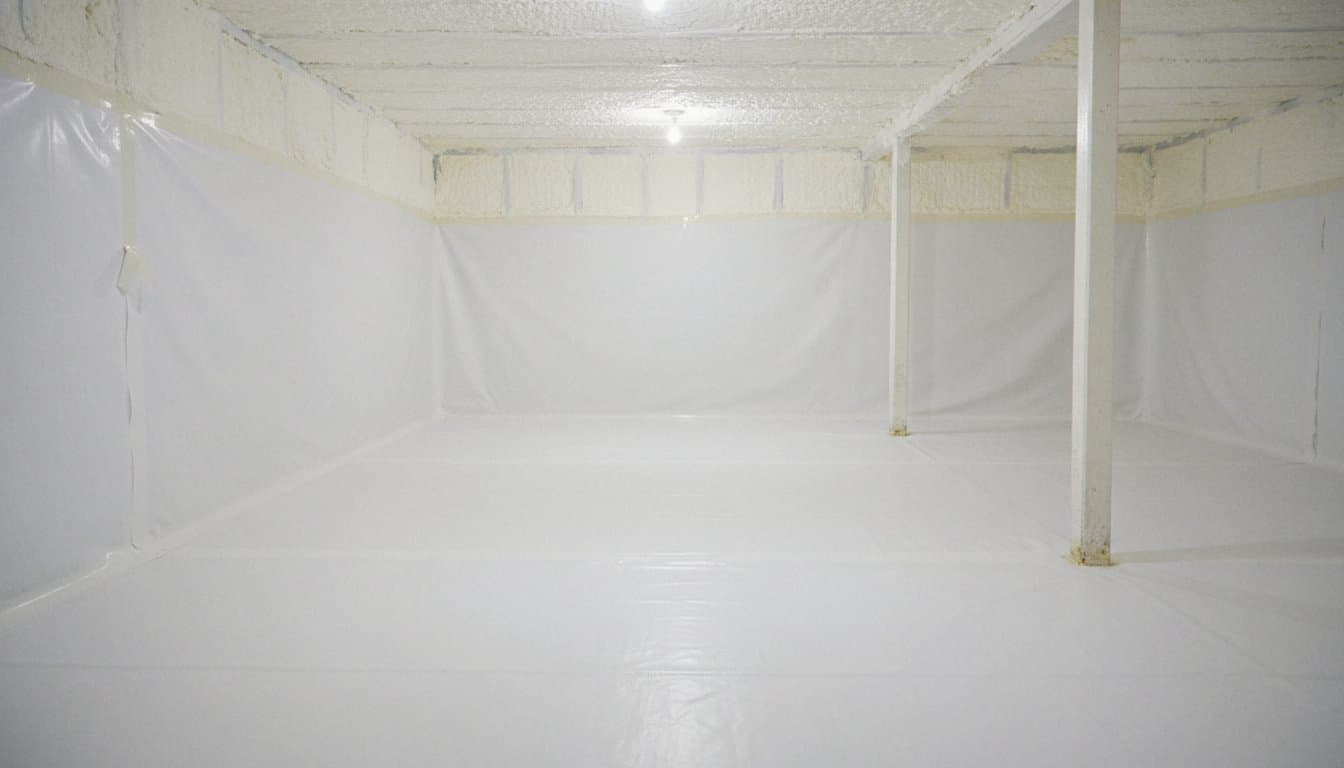
Finished encapsulated crawl space
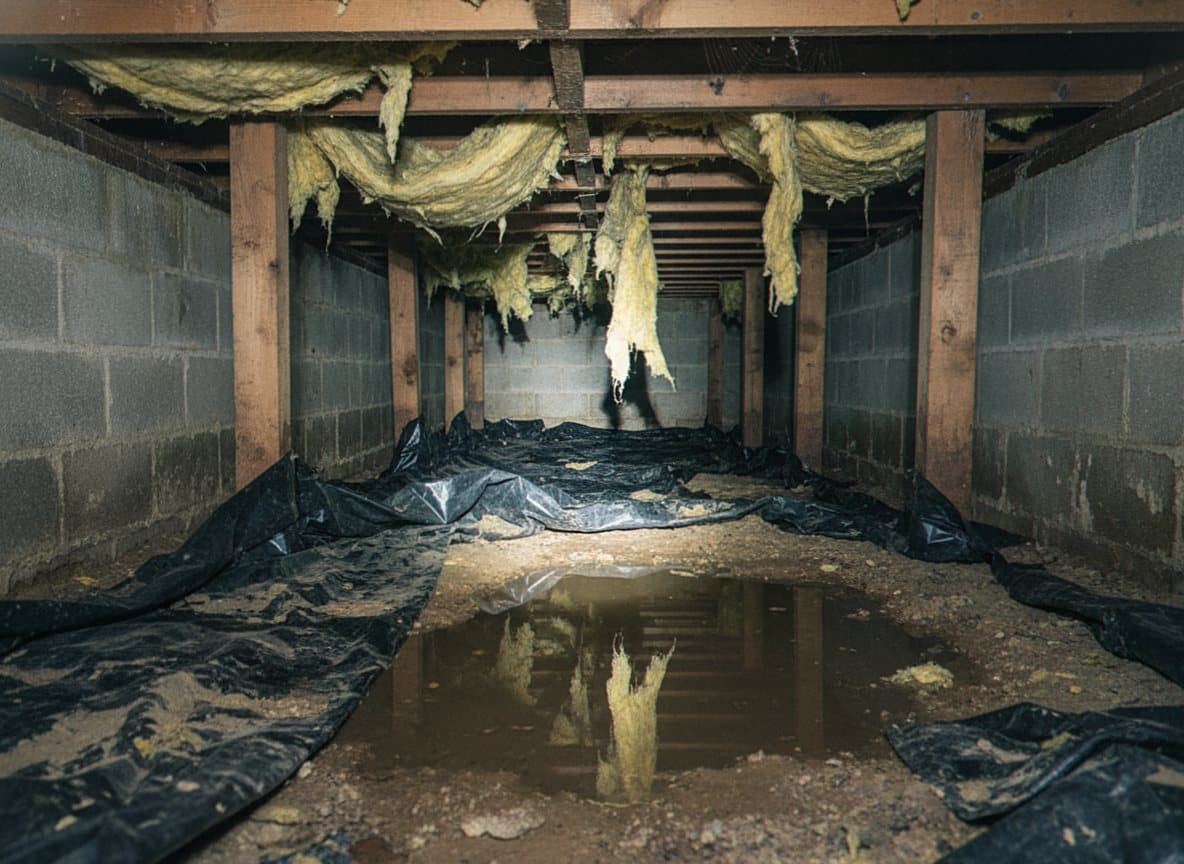
Open crawl space before encapsulation
What we install

A Dry, Sealed Crawl Space and Warmer Floors

Crawl Space Encapsulation Livonia homeowners ask about starts with the bare dirt under the house. That open ground breathes damp air all summer and cold air all winter, and it rises straight through the floor into your rooms. You feel it as a cold kitchen floor, a musty smell, or a heating bill that never seems to make sense. We seal the whole space, floor and walls, with a heavy liner and foam so the ground stops feeding moisture into your home. On the walls and the rim joist, our closed-cell spray foam adds the air and vapor block that keeps the space dry for good.

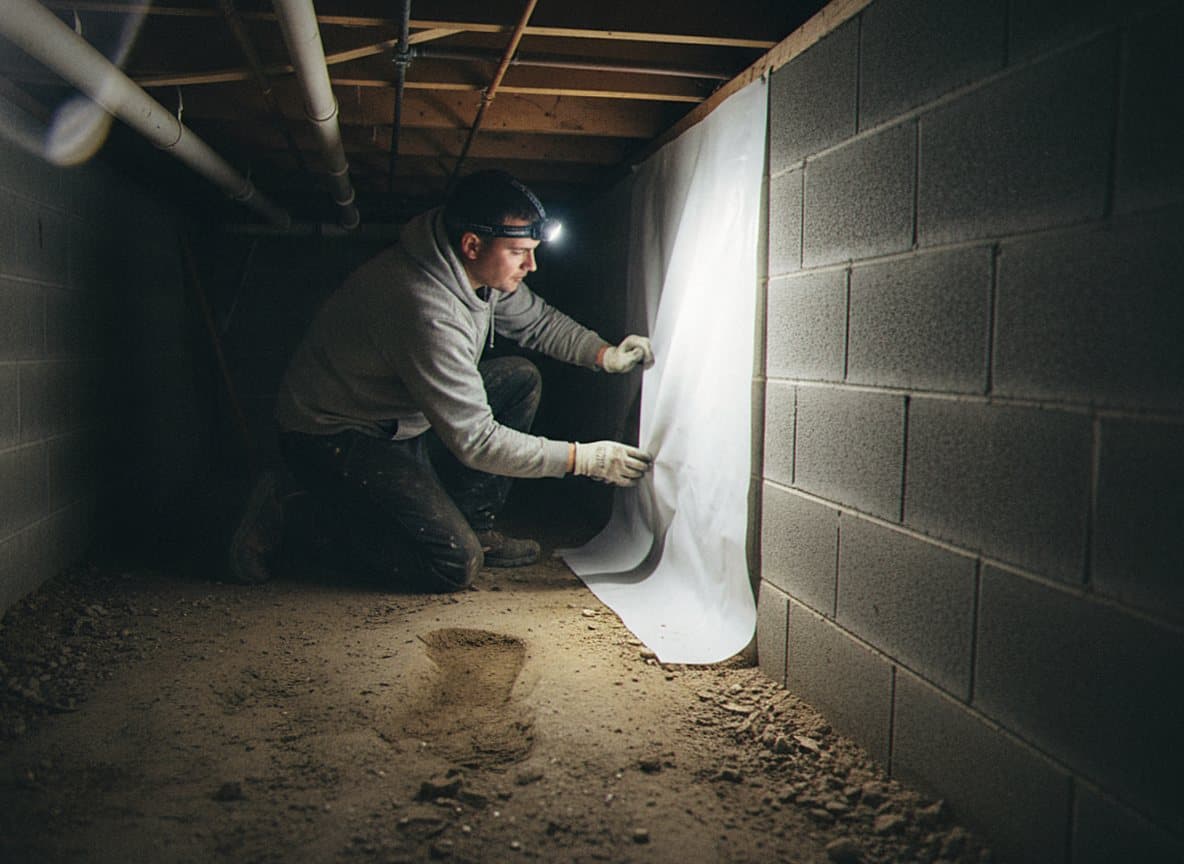
Encapsulation is a few steps done in the right order. First we clear the crawl space and pull out any old, wet insulation hanging from the floor above. Then we lay a thick poly barrier across the dirt and run it up the walls, sealing every seam so no ground moisture sneaks through. We seal the vents and the rim joist, since open vents just let humid outside air pour back in. Last, we insulate the walls with closed-cell foam, which holds back vapor and adds around 6.8 R-value per inch. Some homes also need a way to keep the air dry down there, and we talk that through on the walkthrough.

  • Seals the damp dirt floor so moisture stops rising into your home.
  • Warmer floors upstairs once the cold crawl space air is shut out.
  • Drier air and less musty smell through the whole house.
  • Closes the gaps where mice, bugs, and other pests get in.
  • Protects the wood floor framing from rot and mold over the years.
A sealed crawl space keeps the damp ground from feeding moisture and cold straight up into your floors.

We seal crawl spaces across Livonia and the rest of Wayne County. The clay soil here holds water all year, the air turns muggy through the summer, and a lot of the older homes around town were built over an open, vented crawl space that breathes all of that damp straight up into the floor. Many of the brick ranch homes from the postwar years sit on exactly that kind of space. It made sense on paper, but in practice it fails. Before we start, we check for standing water and bad grading, because a barrier laid over a wet floor only hides the problem instead of fixing it. If the space needs a drain or a sump first, we say so. We will not seal over trouble. When the job is done we walk the whole space with you, so you see every sealed seam and every foamed wall. We also leave the access hatch easy to open, so you or a plumber can get back down there later without a fight.

If your floors run cold or the house smells damp, your crawl space is the place to look. Call us or send the form, and we will come out and give you a straight quote on sealing it.
Materials

What a Solid Crawl Space Job Takes

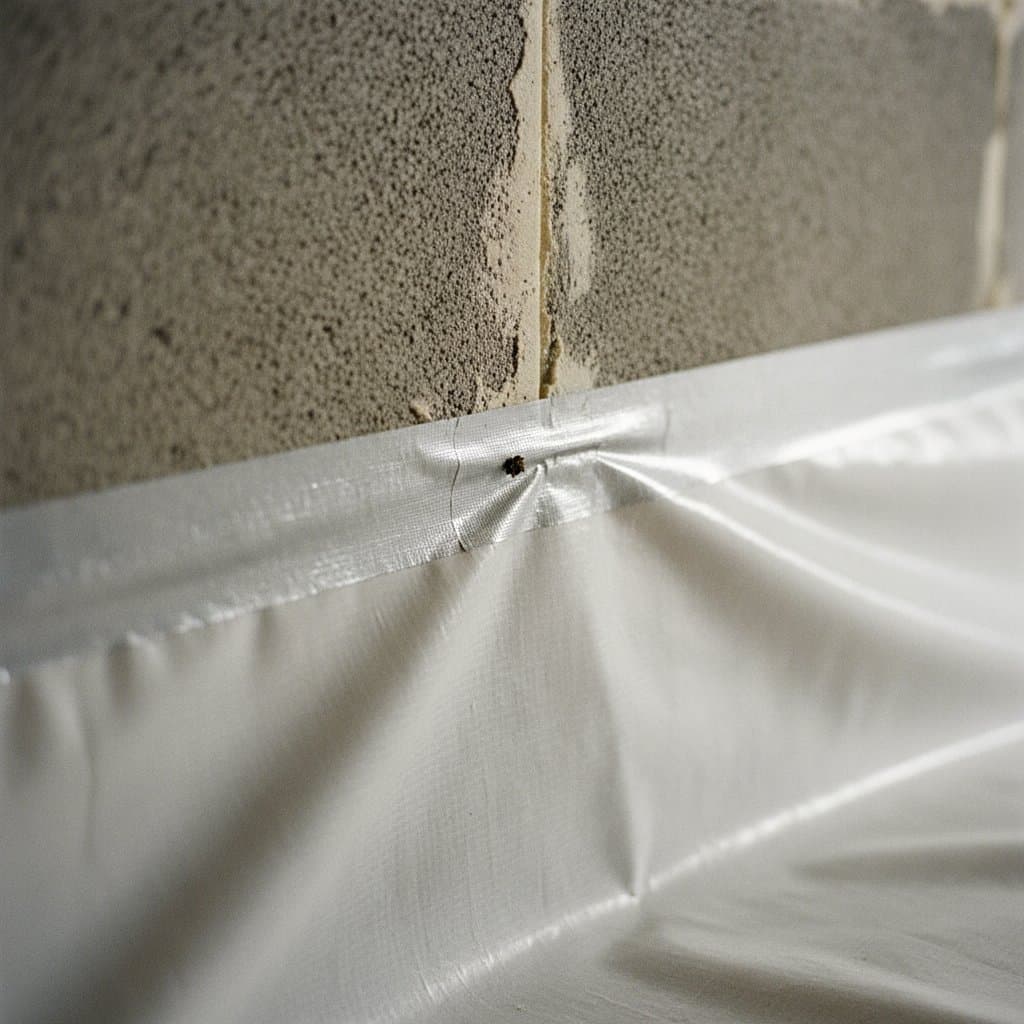
The barrier is the heart of the job. We use a thick, heavy poly liner, not the thin film sold in rolls at the store. It goes down across the whole dirt floor and runs up every wall, and we lap and seal each seam so the ground cannot breathe moisture through it. Run right, that liner turns a damp dirt floor into a clean, sealed surface you can crawl across without getting wet.

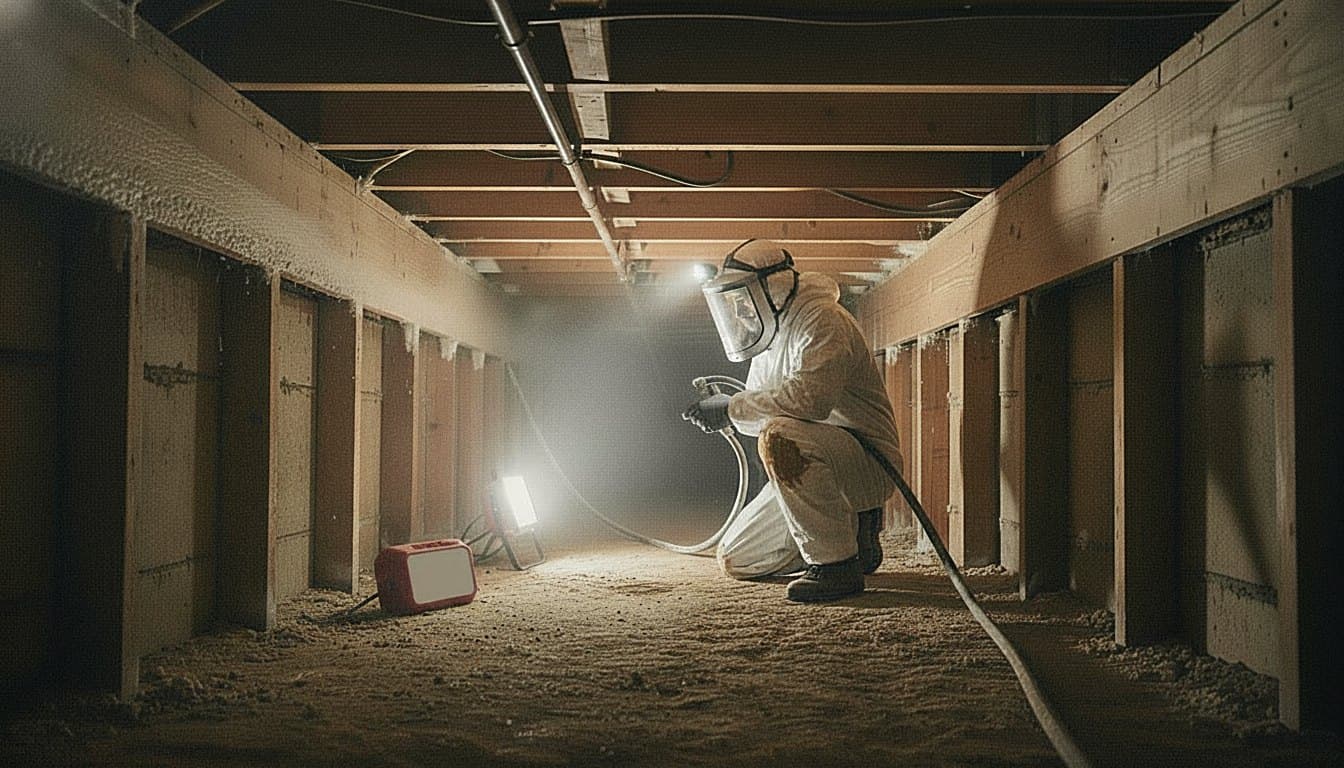
Foam does the rest. On the crawl space walls and the rim joist, we spray closed-cell foam, which both seals air and blocks water vapor at around 6.8 R-value per inch. That mix matters here, because a vented crawl space in Wayne County pulls humid air in all summer and frost in all winter. We read the space first. If there is standing water, bad grading, or a drainage issue, we deal with that before any liner or foam goes down, since sealing over a wet floor only traps the problem.

  • Heavy poly barrier across the floor and up the walls
  • Closed-cell foam on the walls at around 6.8 R-value per inch
  • Vents and rim joist sealed against humid outside air
Moisture barrier being installed
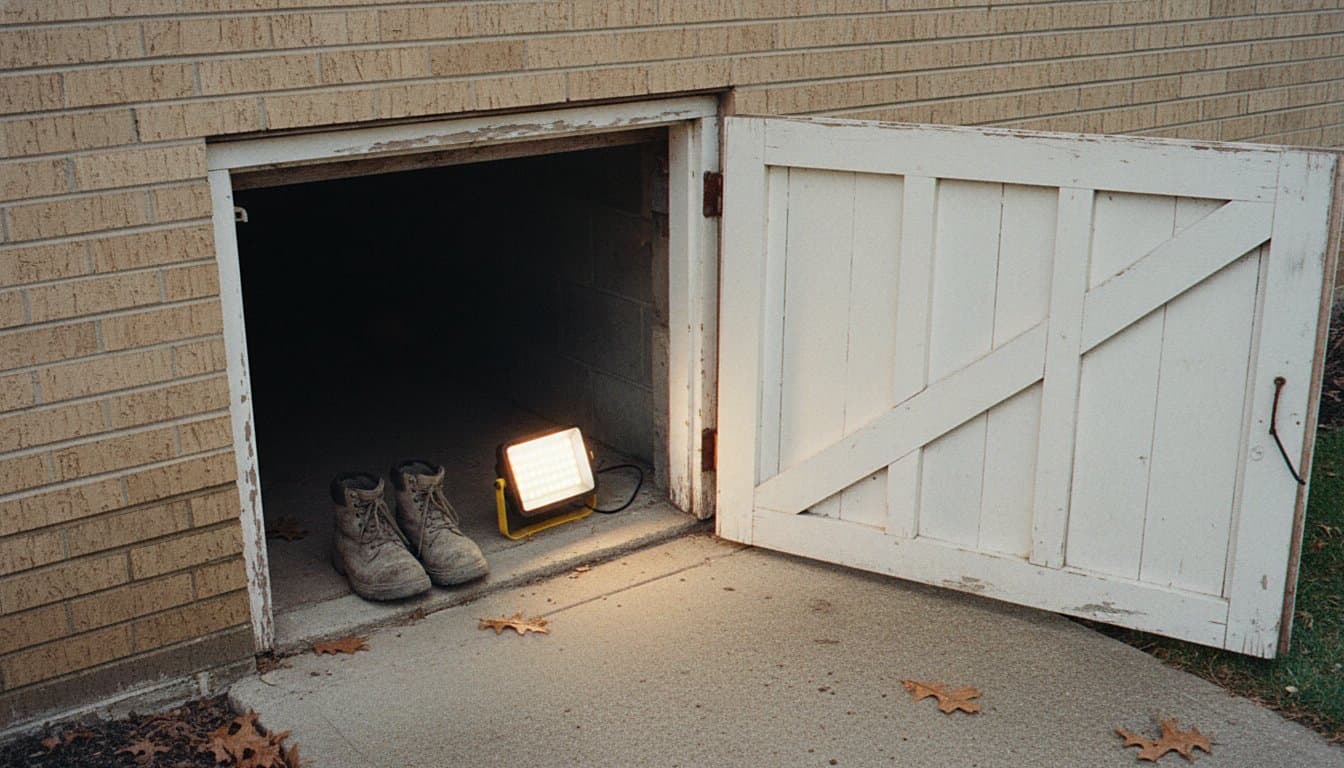
Access entry point for crawl space
What about the alternatives?

Crawl Space Options, Side by Side

Here is how the main ways to handle a Livonia crawl space stack up, so you can see which one fits your home.

Full encapsulation with foam

Seal the floor and the walls, foam the walls and the rim joist, and close off the vents for good. This is the complete fix for a damp, cold crawl space, and it is the one we reach for most often on homes around Wayne County. You end up with a clean, dry space that holds steady through every Michigan season.

Recommended

Wall foam and a floor liner

A strong middle path when the space is already fairly dry. We line the dirt and foam the walls, and you gain warmer floors and drier air without the full build out. It is a good call for a home that just needs the cold and damp held back, not a full reset.

Recommended

Batts in the floor above

The old way of insulating over a vented crawl space. The batts sag, soak up the damp, and fall down over time. The cold floor comes right back.

Skip

Leaving the crawl space vented

The setup many Livonia homes came with. Open vents let humid summer air settle on cold wood, which feeds mold and rot. Worth sealing, not keeping.

Skip
How it goes

From quote to walk-on, fast.

01

Free Estimate

We come out, assess your home or building, and give you a clear quote with no pressure and no hidden fees.

02

Schedule the Job

We book around your schedule. Most jobs start within a week and finish in a single day.

03

Prep & Protect

We mask off and protect your floors, furniture, and finishes before any foam goes down.

04

Apply & Trim

Our crew sprays the foam in even passes, then trims it flush so the surface is ready for the next trade.

05

Walk-Through

We walk every inch of the finished work with you before we leave so you can see exactly what was done.

Before you book

What Livonia Homeowners Ask Before the Job

These are the questions we hear most before a crawl space encapsulation job.

Yes, and most homeowners feel it fast. A vented crawl space lets cold air sit right under your floor all winter, so the rooms above never warm up. Once we seal the vents, line the floor, and foam the walls, that cold air is shut out. The floor stops pulling heat down into the ground, and the rooms over the crawl space hold their warmth.
Not always. Sealing the crawl space floor and walls cuts off most of the moisture on its own, since the damp was rising from the open dirt. Some homes still hold a bit of humidity after that, and those do better with a way to keep the air dry. We check the space and tell you whether the seal alone is enough or whether your home needs more.
We have to fix the water first. A liner over a crawl space floor that floods just traps the water under the plastic. If you get standing water, the space usually needs a drain, a sump, or better grading outside before we seal. We look at where the water comes from and lay out that step before any encapsulation starts.
It depends on the space, but sealing usually wins in the long run. Batts in the floor above sag and soak up the damp from the open dirt, so they fail and the cold comes back. Crawl space encapsulation treats the real cause by shutting the ground out. You also stop paying to heat a floor that keeps losing its warmth to the ground below. We walk the space and tell you straight which path your home actually needs.
Aftercare

How a Sealed Crawl Space Holds Up in Livonia

An encapsulated crawl space is built to sit quietly for the long haul. The liner does not break down, and the foam does not slump or pack down the way old batts did. There is no yearly chore to it. What is worth a look now and then is simple. Check that no new water is finding its way in after a heavy storm, glance at the seams to make sure none got torn during other work, and keep an eye on the rim joist foam if the foundation ever shifts. If a plumber or another trade crawls down there and cuts a seam, a quick patch seals it back up. It also pays to keep your gutters and downspouts clear, since most crawl space water starts as rain that pools next to the foundation. Move that water away from the house and the sealed space stays dry and easy to forget.

  • Check for new water after heavy storms or spring melt
  • Look over the liner seams for tears after any work down there
  • Watch the rim joist foam if the foundation ever shifts or cracks
  • Patch any spot a plumber or trade cuts through the barrier
  • Keep the space clear so you can spot trouble fast
Sealed seams and joints detail
FAQ

Crawl Space Questions From Livonia Homeowners

No two jobs price the same. We walk the space first, then quote based on what we actually find: the area, which foam type fits, what the substrate needs before foam can go down, and whether any bypasses need sealing while we are in there. The only honest number comes from that walkthrough. Call us or fill out the form and we will come out, look at the space, and give you a straight quote.
Two different materials, two different jobs. Closed-cell foam is dense and rigid, running around 6.8 R-value per inch, and it works as both an air barrier and a vapor retarder, so we use it in crawl spaces, rim joists, and any surface where outside moisture is pressing against the building. Open-cell foam is softer. It delivers around 3.9 R-value per inch, expands to fill wall bays and attic slopes in one pass, and also reduces sound through the wall.
Spray foam is a permanent install. Once it cures, it does not settle, shift, or compress the way batts and loose fill do over the years as Michigan winters and damp summers cycle through the building assembly. No retreatment schedule. If trade work later cuts through a sealed section, a targeted pass over the gap closes it.
Yes, though the mechanism matters. Spray foam stops air from moving through the gaps in the building shell, and it is that air movement, not just a lack of insulation depth, that forces your furnace to run long cycles all winter just to hold the temperature you set. We seal the rim joist, crawl space, and attic. Those are the main paths heat uses to leave a Livonia home in cold weather.
The spray zone stays closed while we work. For most rim joist and crawl space jobs, we ask you to stay out of that specific area through the cure window, which runs a few hours from when we finish spraying. Once the foam is fully cured it is stable and the vapor release is done. We tell you the exact window for your job before we start.
It depends on what is there. For attic floors where the existing material is dry, clean, and simply thin, we seal the bypasses first and add new depth on top of what is already in place. For wall bays, old insulation needs to come out so the foam can bond to the framing on all four sides. We check every job on the walkthrough and tell you straight whether the old material stays or goes.
A few hours for most jobs. The exact window depends on which surfaces we sprayed and how much foam went down, so we tell you the specific time before we leave the site rather than giving you a guess. Crawl space and rim joist jobs are usually on the shorter end since those areas sit away from the living space. We do not leave until you know when you can return.
Yes, with a simple step. The two parts that make up spray foam release vapors while the material is curing, so we ask everyone to stay clear of the spray zone during the job and through the cure window, which runs a few hours for most residential jobs. Once fully cured, the foam is stable and inert. For most Livonia homes the work happens in a crawl space, attic, or rim joist that is already separate from the living area, so managing the window is easy.
Ready when you are

Get a fixed-price quote on your Livonia Spray Foam Insulation Livonia this week.

Free on-site walk-through. Written estimate before a single bag is opened.

Call (734) 838-4626Get My Free Quote
Call NowFree Quote