Livonia Spray Foam InsulationClosed-Cell & Open-Cell Spray Foam · Air Sealing
Open-Cell Spray Foam Insulation · Livonia

Open-Cell Spray Foam Insulation in Livonia, MI

We spray light, fast expanding open-cell foam into Livonia walls and attic slopes, filling every bay and softening sound in one pass.

1 day installs · typical timeline

Tell us about your project.

We'll be back to you the same business day.

No spam. We'll text you to confirm.

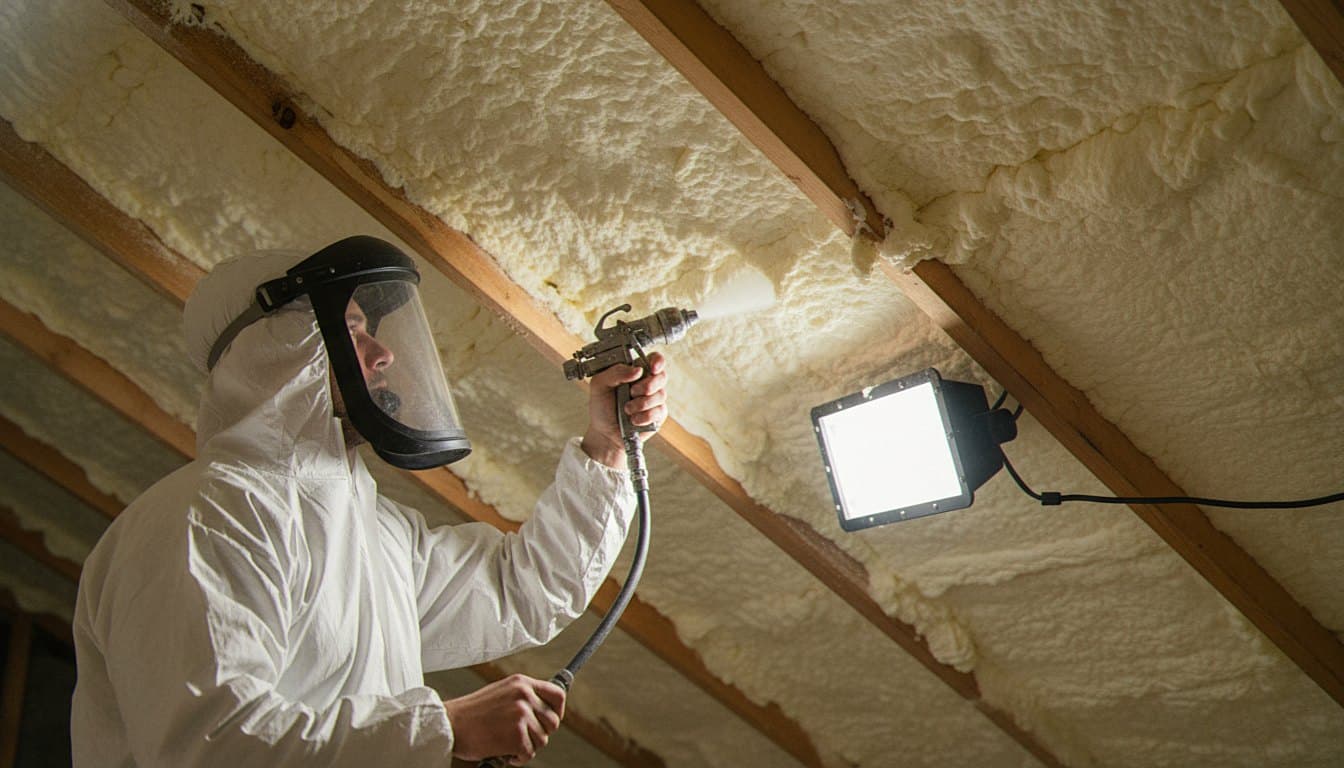
Open-cell foam filling attic rafter bays
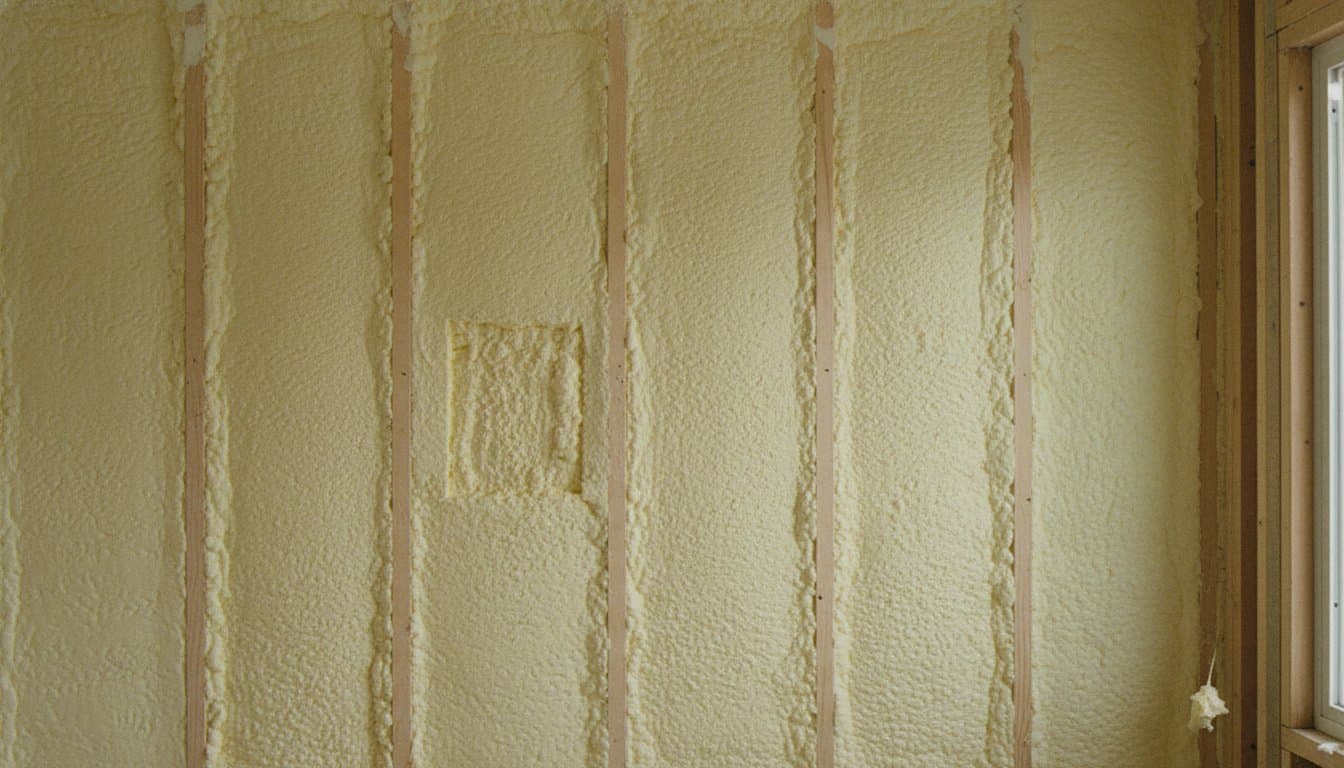
Finished open-cell foam installation
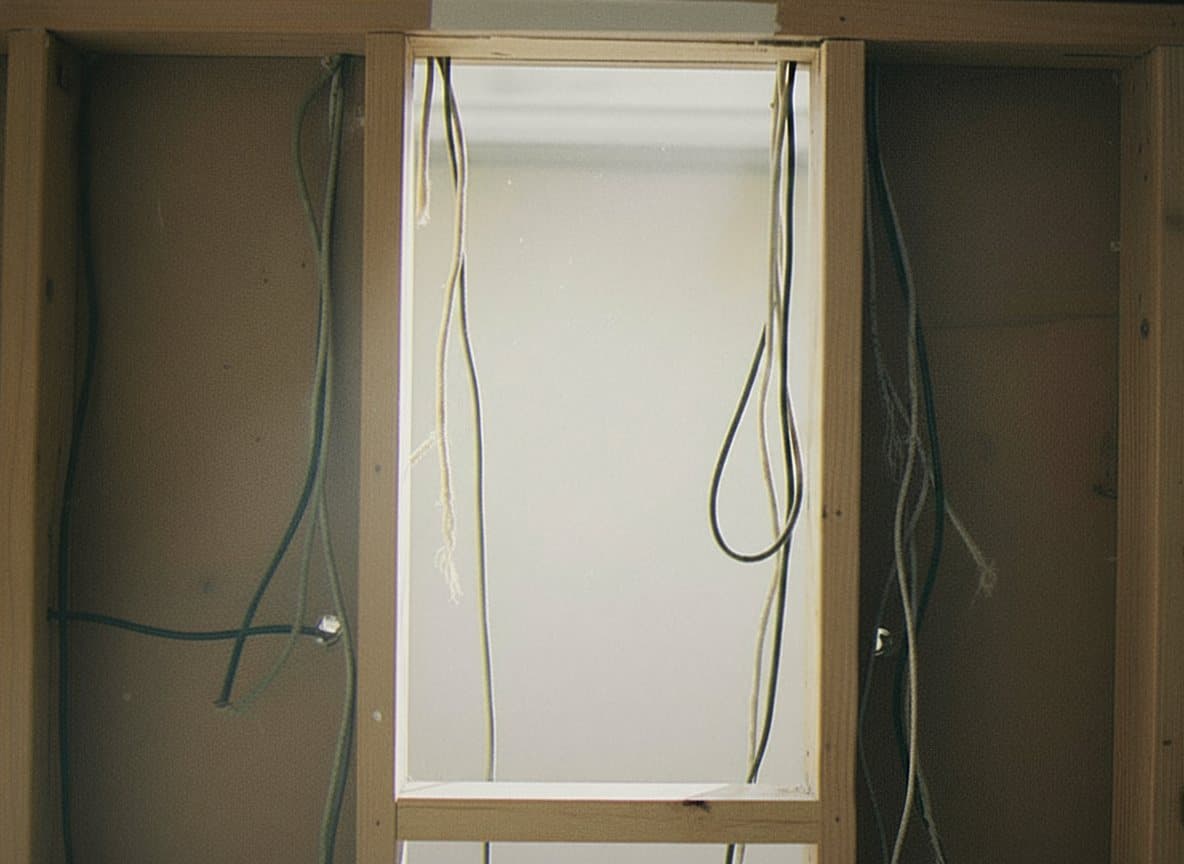
Uninsulated attic before foam application
What we install

Light Foam That Fills Every Wall Bay

Open-Cell Spray Foam Insulation Livonia homeowners ask about is the light, airy foam we spray to fill big open spaces fast. One pass does it. The foam expands and packs a whole wall bay or the slope under your roof, reaching the corners batts always miss. Soft cells trap air. That trapped air slows heat and quiets sound at the same time. It runs around 3.9 R-value per inch and seals air leaks, though it lets water vapor pass, so we keep it out of damp spots. For wet areas like a rim joist, our closed-cell spray foam does the sealing instead.

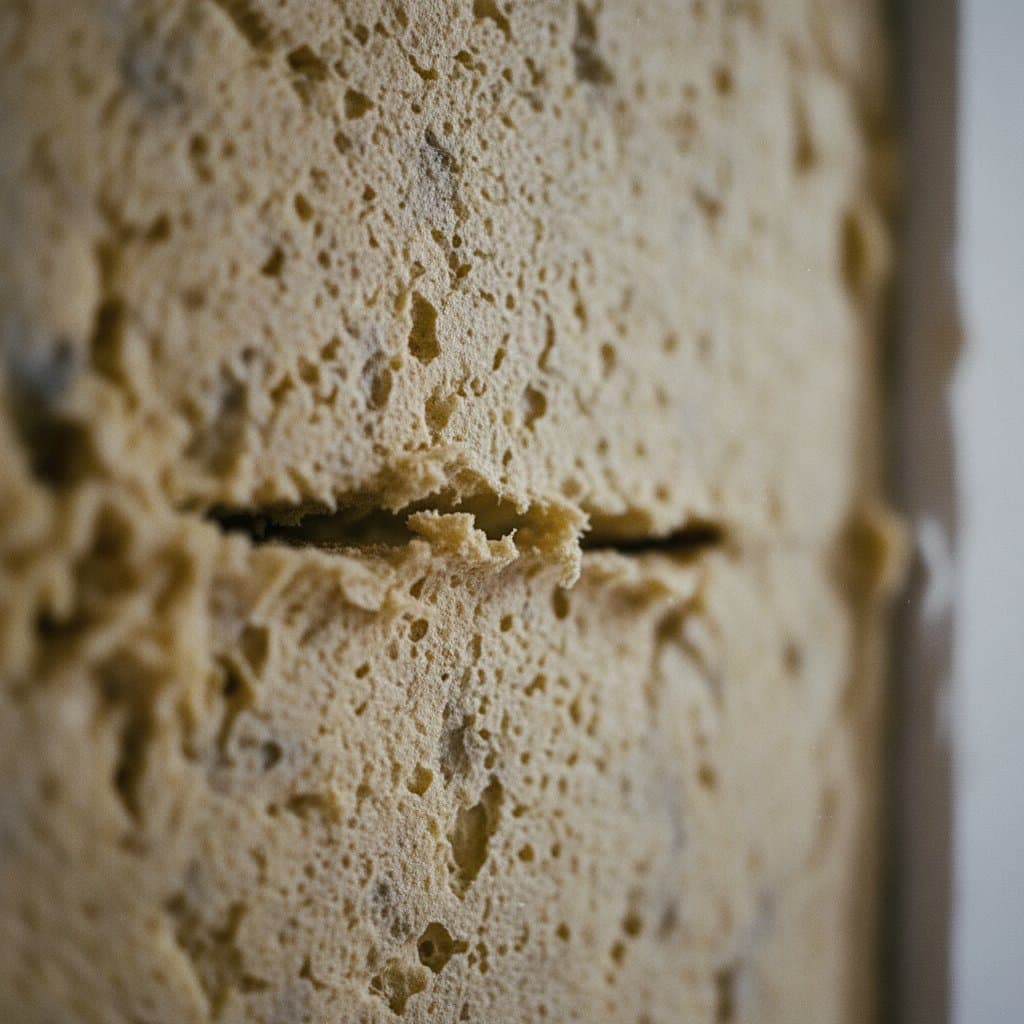
Open-cell foam starts as two liquids that meet at the spray gun. They react and swell fast, expanding many times over to fill the cavity edge to edge. That big rise matters. It is why one pass reaches into corners and odd gaps that batts leave wide open. The cured foam stays soft and light, almost like a firm sponge, with open cells that give it the lower 3.9 R-value per inch. We spray it in and let it rise. Then we trim the extra flush with the framing so the drywall sits flat. On attic slopes and tall walls we work in steady passes to keep the fill even from top to bottom.

  • Expands fast to fill wall bays and attic slopes in one pass.
  • Around 3.9 R-value per inch with a solid air seal.
  • Soft cells soak up sound between rooms and floors.
  • Reaches odd gaps and corners that batt insulation leaves open.
  • Lighter on framing and easy to trim flush before drywall goes up.
One pass of open-cell foam fills a whole wall bay and quiets the room at the same time.

We spray open-cell foam across Livonia and the rest of Wayne County, mostly in walls, bonus rooms, and the underside of the roof. Those wide open cavities are where this foam shines. It fills them fast and quiets the space. Before we start, we check that the area stays dry, because open-cell foam is not the pick where water vapor is the worry. We mask off your floors and framing. Then we spray in even lifts and trim every bay flush by hand. When we pack up, we walk the job with you and clean the site, so the only sign we were there is a warmer, quieter room.

If you are finishing a bonus room, insulating new walls, or want a quieter house, open-cell foam is a strong fit. Call us or send the form and we will give you a straight quote.

Materials

What a Solid Open-Cell Foam Job Takes

Open-cell foam is two liquids that mix right at the gun, react, and balloon to many times their size in seconds. That huge rise is the whole point. It pushes foam into every bay, around wires, and into the tight angles where a roof meets a wall, spots batts never fill clean. Once set, the foam is soft and light, with open cells that hold air and give it around 3.9 R-value per inch.

The gear has to be dialed in for the foam to rise right. Both liquids need the correct heat and pressure at the gun, or the cells form wrong and the fill comes up short. We check the rig before the first pass. We also read the space itself, since open-cell foam belongs in dry walls and roof slopes, not in damp crawl spaces where vapor can move through it. When a spot needs a vapor block, we tell you and switch to a denser foam.

  • Around 3.9 R-value per inch once cured
  • Expands many times over to fill bays in one pass
  • Soft open cells that also dampen sound
Foam expanding to fill wall cavity
Foam for sound dampening application
What about the alternatives?

Open-Cell Foam vs Other Insulation Choices

Here is how open-cell foam compares with the options Livonia homeowners weigh for walls and attics.

Open-cell spray foam

This is the one we pick. Light foam that expands big, fills a bay edge to edge, and seals the air in one pass at around 3.9 R per inch, which is plenty for walls, bonus rooms, and roof slopes where you also want the room to stay quiet.

Recommended

Closed-cell spray foam

Denser foam, around 6.8 R per inch, that also blocks water vapor. We step up to it in rim joists and crawl spaces, but for a dry wall it is heavier than most homes need.

Acceptable

Fiberglass batts

Cheap and easy to find. The trouble is batts do not seal air, so they leave gaps at every wire and corner, and in an open wall the drafts and the sound come right back through.

Skip

Loose-fill cellulose

It packs into a closed wall and softens sound. Over the years it can settle, though, and it never seals the air the way foam does.

Acceptable
How it goes

From quote to walk-on, fast.

01

Free Estimate

We come out, assess your home or building, and give you a clear quote with no pressure and no hidden fees.

02

Schedule the Job

We book around your schedule. Most jobs start within a week and finish in a single day.

03

Prep & Protect

We mask off and protect your floors, furniture, and finishes before any foam goes down.

04

Apply & Trim

Our crew sprays the foam in even passes, then trims it flush so the surface is ready for the next trade.

05

Walk-Through

We walk every inch of the finished work with you before we leave so you can see exactly what was done.

Before you book

What Livonia Homeowners Ask Before the Job

These are the questions we hear most before an open-cell foam install.

They do different jobs. Open-cell foam is light, fills big cavities fast, and seals air at around 3.9 R-value per inch, which is plenty for walls and roof slopes. Closed-cell is denser, around 6.8 per inch, and blocks vapor, so it wins in damp rim joists and crawl spaces. For dry living space, open-cell does the job for less foam per bay. We match the foam to the spot.
Open-cell foam lets water vapor pass and can soak up bulk water, so a roof leak above it will show. That is actually useful. The wet spot points you right to the leak instead of hiding it. Fix the roof, let the area dry, and the foam is fine. In spots where we expect moisture, like a rim joist, we use closed-cell foam instead so vapor stays out.
Yes, more than dense foam or batts. The soft, open cells break up sound waves moving through a wall or floor, so rooms feel quieter. Homeowners notice it most in bonus rooms, home offices, and walls next to a busy street. It will not make a room soundproof, but it takes the edge off the noise that travels through framing.
Open-cell foam needs the wall cavity open. So it works best on new framing or during a remodel, before the drywall goes up. If your walls are already closed, we look at other options or time it with work you have coming. On open framing, an attic, or the roof underside, the foam goes in fast and fills every bay clean.
Aftercare

How Open-Cell Foam Holds Up in Livonia

Open-cell foam is a one time install. Once it cures, it does not slump or pack down like loose fill, and there is no need to re spray it on a schedule. The main thing to watch is water from above, since the foam will show a roof or plumbing leak rather than hide it. If you ever see a stain or a damp patch on the foam, treat it as a sign to find the leak. After the water source is fixed and the area dries, the foam keeps doing its job. Cutting into a wall for wiring or plumbing can open a gap, and a quick pass fills it back in.

  • Watch the foam for stains that point to a roof or plumbing leak
  • Fix any water source first, then let the foam and framing dry out
  • Fill any gap opened by new wiring or plumbing with a quick pass
  • Keep attic foam clear so you can spot trouble fast
  • Check the fill after major roof work above it
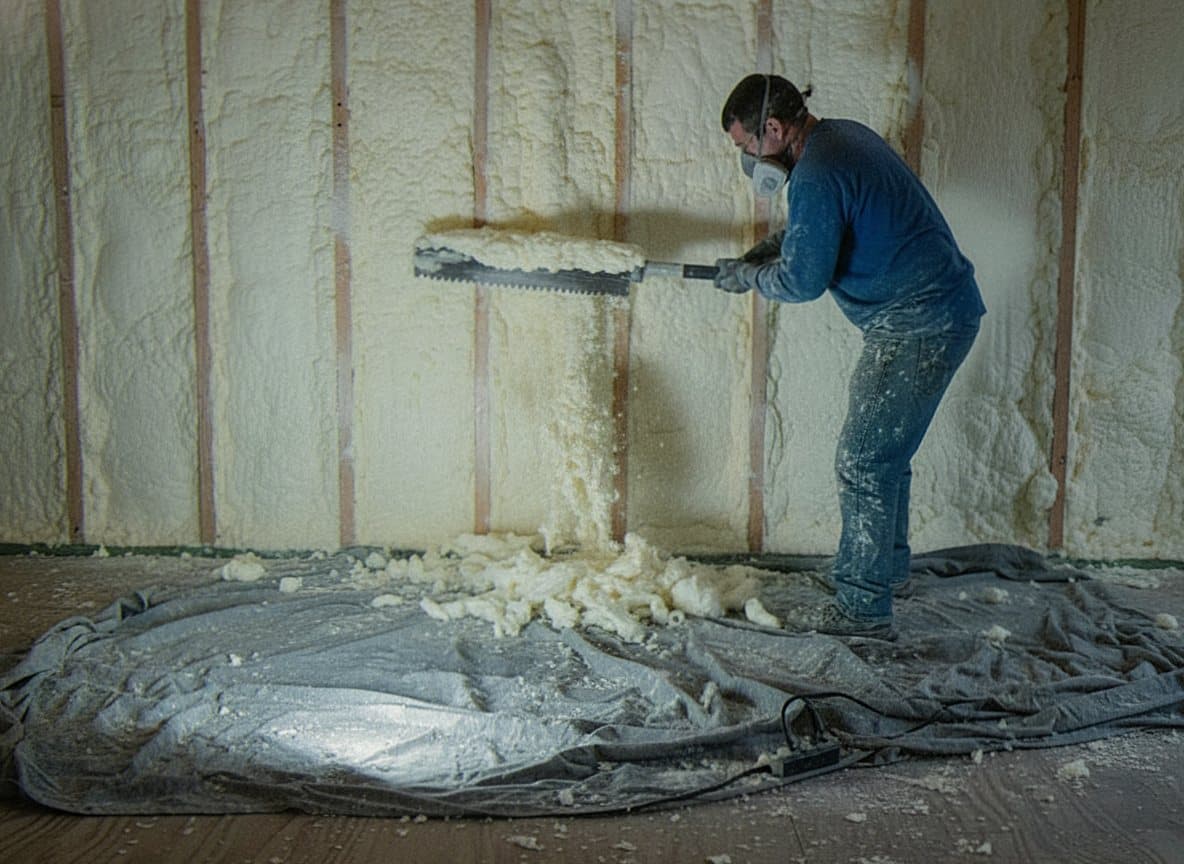
Worker trimming foam flush with framing
FAQ

Open-Cell Foam Questions From Livonia Homeowners

No two jobs price the same. We walk the space first, then quote based on what we actually find: the area, which foam type fits, what the substrate needs before foam can go down, and whether any bypasses need sealing while we are in there. The only honest number comes from that walkthrough. Call us or fill out the form and we will come out, look at the space, and give you a straight quote.
Two different materials, two different jobs. Closed-cell foam is dense and rigid, running around 6.8 R-value per inch, and it works as both an air barrier and a vapor retarder, so we use it in crawl spaces, rim joists, and any surface where outside moisture is pressing against the building. Open-cell foam is softer. It delivers around 3.9 R-value per inch, expands to fill wall bays and attic slopes in one pass, and also reduces sound through the wall.
Spray foam is a permanent install. Once it cures, it does not settle, shift, or compress the way batts and loose fill do over the years as Michigan winters and damp summers cycle through the building assembly. No retreatment schedule. If trade work later cuts through a sealed section, a targeted pass over the gap closes it.
Yes, though the mechanism matters. Spray foam stops air from moving through the gaps in the building shell, and it is that air movement, not just a lack of insulation depth, that forces your furnace to run long cycles all winter just to hold the temperature you set. We seal the rim joist, crawl space, and attic. Those are the main paths heat uses to leave a Livonia home in cold weather.
The spray zone stays closed while we work. For most rim joist and crawl space jobs, we ask you to stay out of that specific area through the cure window, which runs a few hours from when we finish spraying. Once the foam is fully cured it is stable and the vapor release is done. We tell you the exact window for your job before we start.
It depends on what is there. For attic floors where the existing material is dry, clean, and simply thin, we seal the bypasses first and add new depth on top of what is already in place. For wall bays, old insulation needs to come out so the foam can bond to the framing on all four sides. We check every job on the walkthrough and tell you straight whether the old material stays or goes.
A few hours for most jobs. The exact window depends on which surfaces we sprayed and how much foam went down, so we tell you the specific time before we leave the site rather than giving you a guess. Crawl space and rim joist jobs are usually on the shorter end since those areas sit away from the living space. We do not leave until you know when you can return.
Yes, with a simple step. The two parts that make up spray foam release vapors while the material is curing, so we ask everyone to stay clear of the spray zone during the job and through the cure window, which runs a few hours for most residential jobs. Once fully cured, the foam is stable and inert. For most Livonia homes the work happens in a crawl space, attic, or rim joist that is already separate from the living area, so managing the window is easy.
Ready when you are

Get a fixed-price quote on your Livonia Spray Foam Insulation Livonia this week.

Free on-site walk-through. Written estimate before a single bag is opened.

Call (734) 838-4626Get My Free Quote
Call NowFree Quote