Livonia Spray Foam InsulationClosed-Cell & Open-Cell Spray Foam · Air Sealing
Insulation Removal & Replacement · Livonia

Insulation Removal and Replacement for Livonia, MI Homes

We pull out the old, wet, or settled insulation in your Livonia home, haul it away clean, and put in fresh foam in its place.

1-2 days installs · typical timeline

Tell us about your project.

We'll be back to you the same business day.

No spam. We'll text you to confirm.

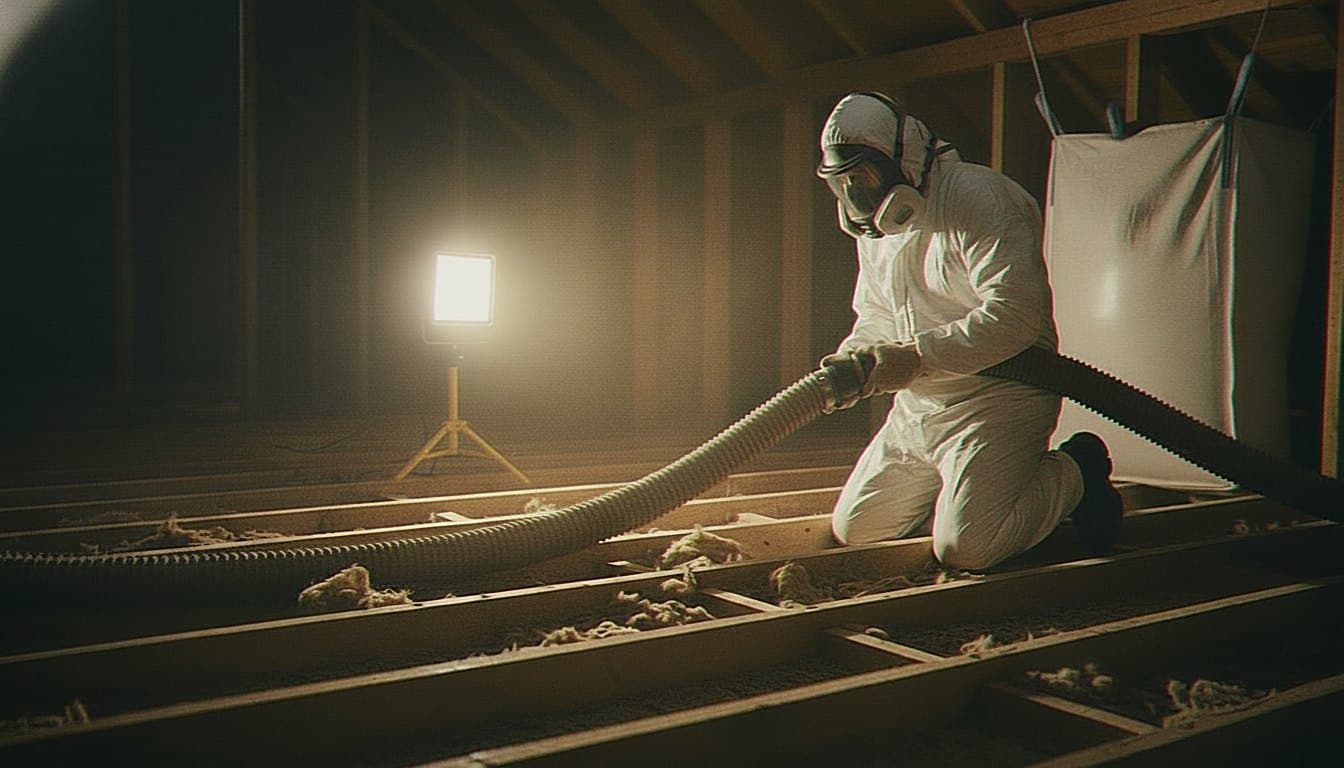
Old insulation removal in progress
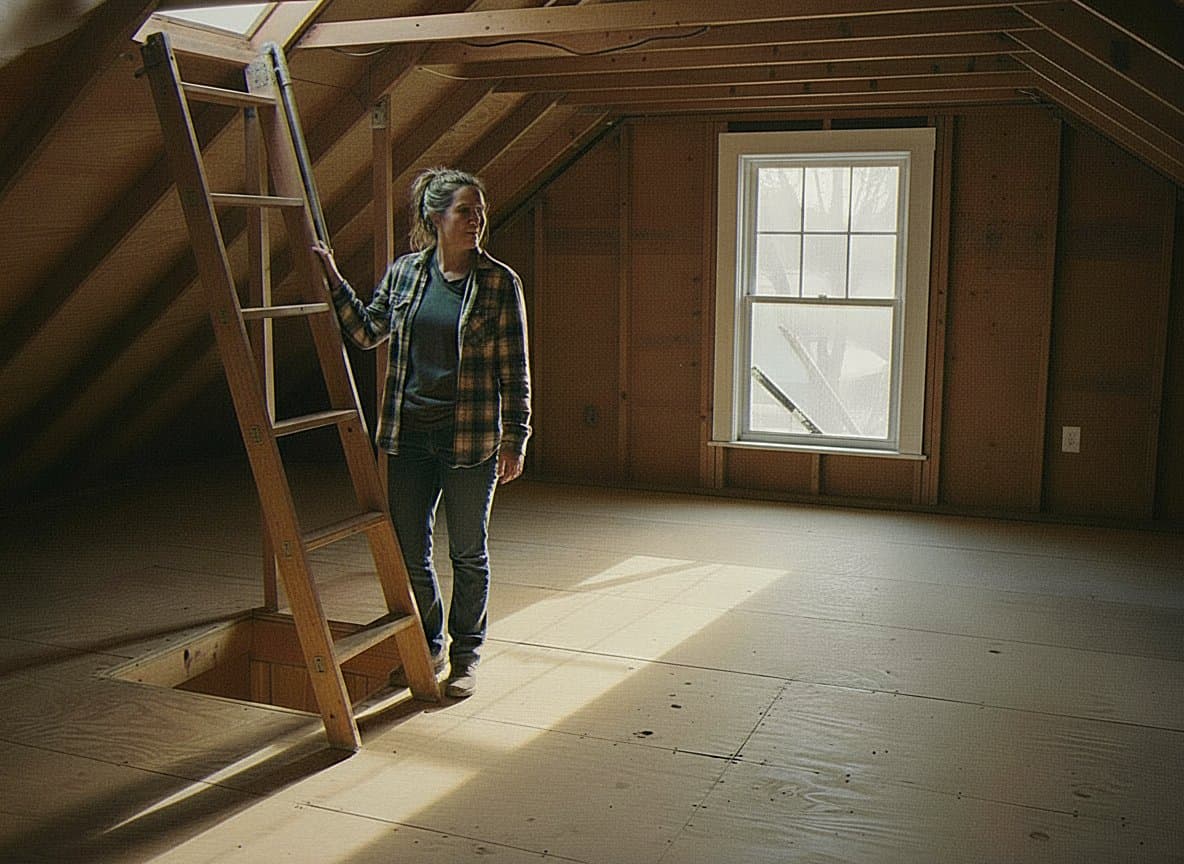
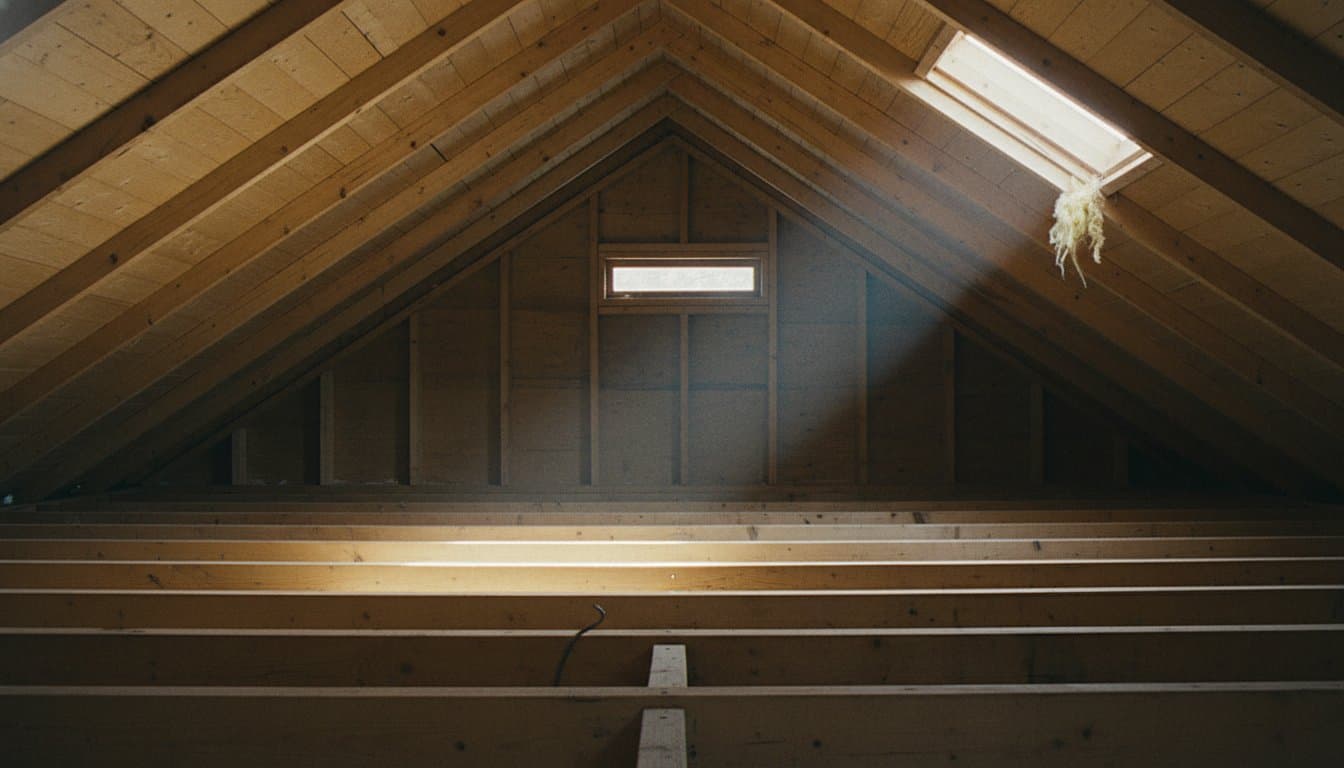
Clean space ready for new insulation
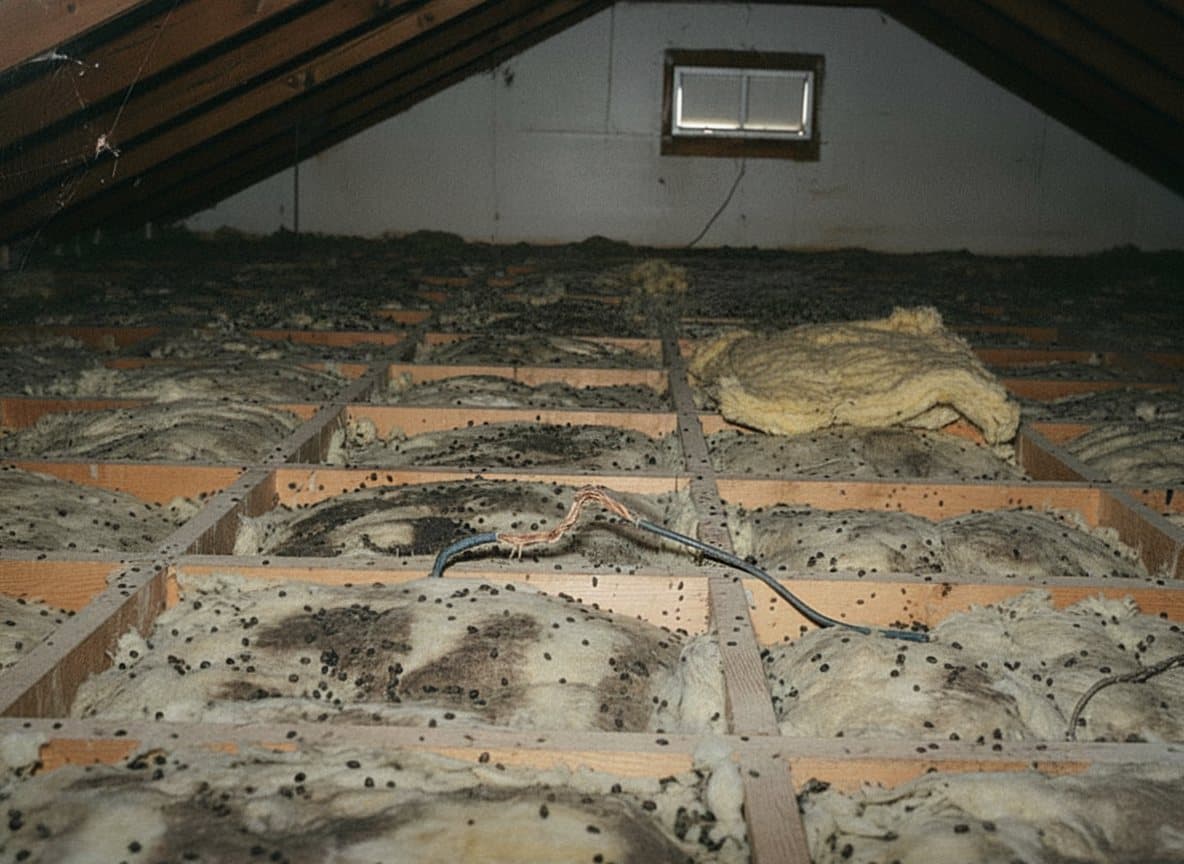
Deteriorated insulation requiring removal
What we install

Out With Old Insulation, In With Fresh Foam

Insulation Removal Livonia homeowners call about almost always starts in the attic. Most homes here were built decades ago, and the old batts or loose fill up there have packed down, soaked up roof leaks, or picked up rodent mess. Once insulation gets wet or matted, it stops holding heat and can start to smell. We clear all of it out, clean the space, and get it ready so our new attic insulation can do its job. A fresh start beats piling new material on top of a problem.

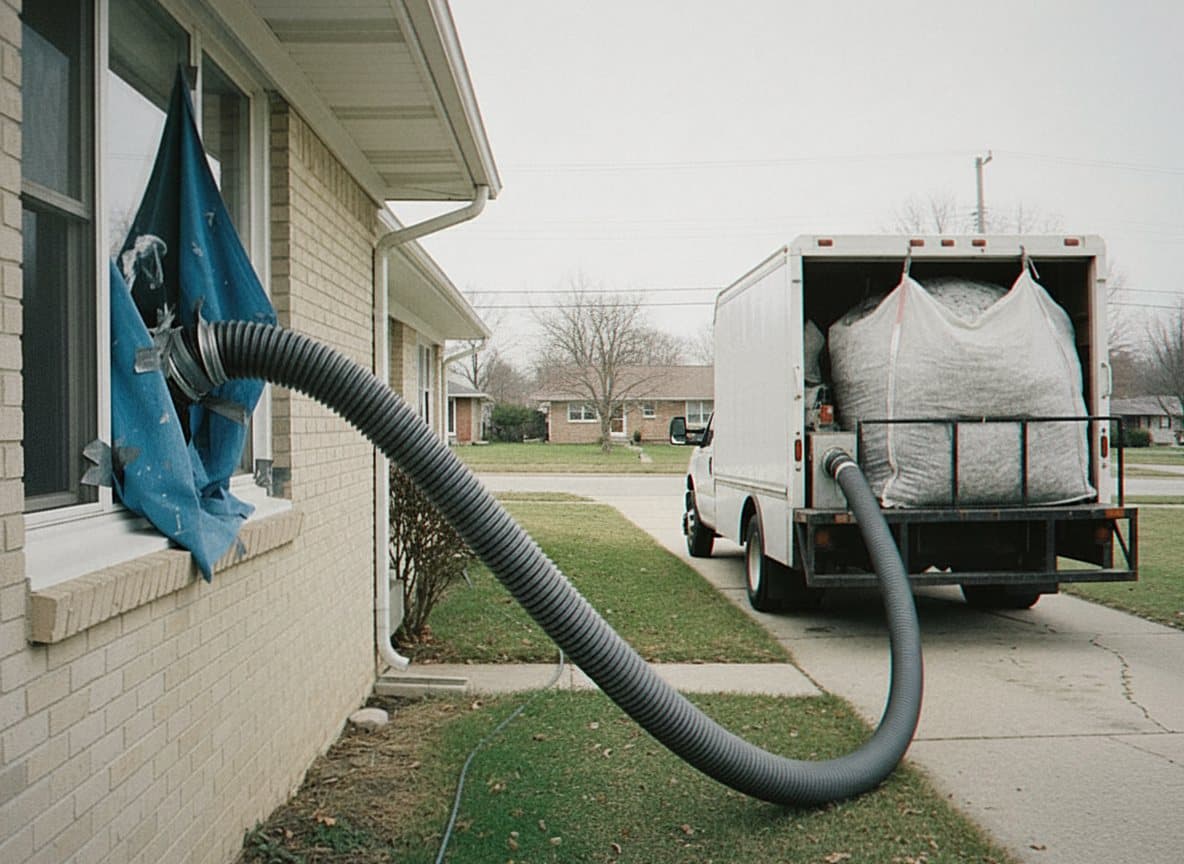
Removal is messy work, so we plan it before we start. For loose fill, we run a long hose from a vacuum truck parked at the curb and pull the old material straight out of the attic. For old batts, we bag them by hand and carry them out along a path we cover first. The old material leaves the same day. We will not leave a pile of fiberglass in your driveway or stuff it in your trash bins, so hauling it off the property is part of the job we do for you. Then we clean the deck, check for any roof or pipe leaks that soaked the old insulation, and seal the air gaps we find. Only after the space is dry and clean do we spray the new foam.

  • We haul out wet, matted, or rodent touched insulation that lost its R-value.
  • Vacuum truck and hand bagging keep the mess out of your living space.
  • We find and seal the leaks that ruined the old insulation.
  • A clean, dry deck lets the new foam bond and seal right.
  • One crew handles the tear out and the new install, start to finish.
Old, wet insulation never gets better on its own, so we pull it out and start clean.

We work across Livonia and the rest of Wayne County, where most homes are older single-family builds with attics that have not been touched in years. We have seen what hides up there: crushed batts, damp loose fill, and the trails mice leave behind. A lot of these attics were last filled when the house was new, so the layer up top is often a patchwork of fiberglass, blown cellulose, and whatever a past owner added later. We sort it as we pull it, since each type comes out its own way. Before we quote an insulation removal job, we get into the attic and look, so the price we give you matches the real scope. When the old material is out, we walk you through what we found and what the new foam will fix. Nothing gets covered up until you have seen it.

If your attic smells musty or your rooms never hold heat, the old insulation is likely the cause. Call us or send the form and we will come take a look. We will tell you straight whether it needs to come out.
Materials

What Insulation Removal Actually Involves

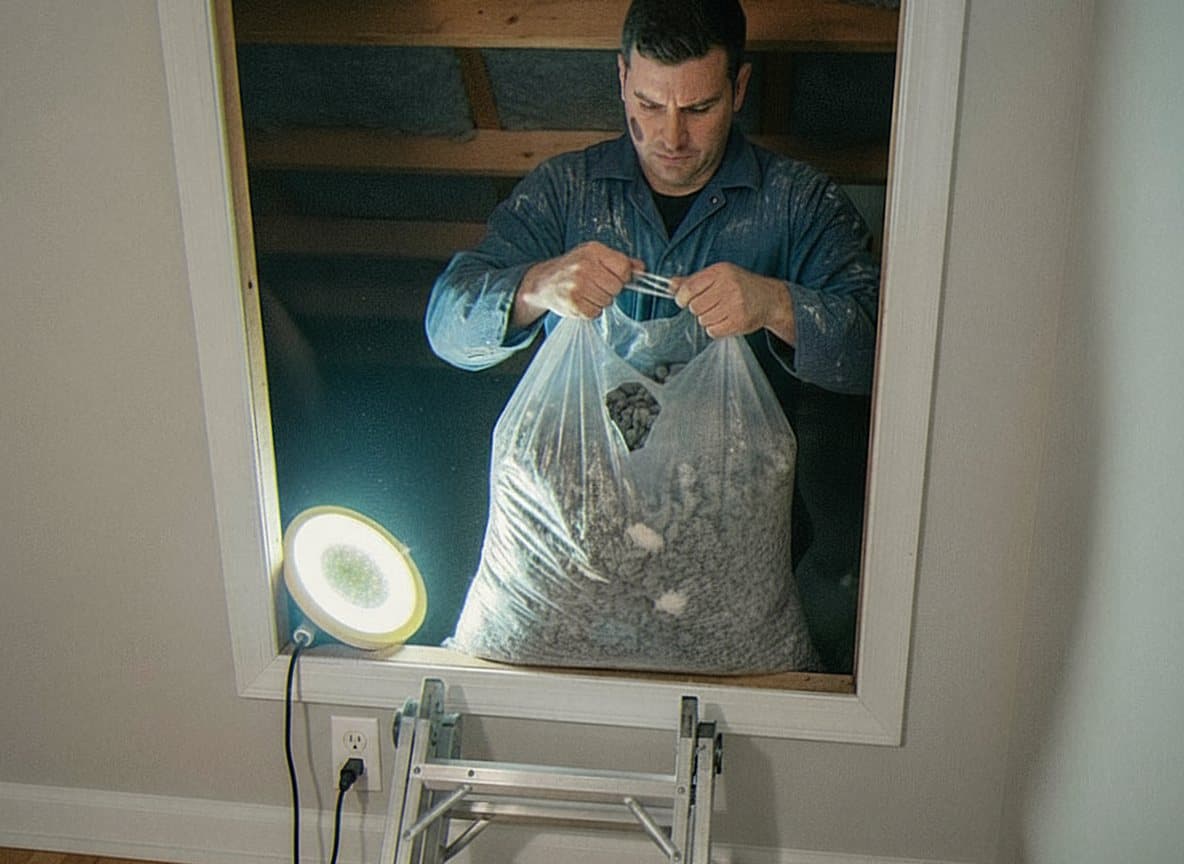
Not all old insulation comes out the same way. Loose fill, the gray or white fluff blown across attic floors, lifts best with a vacuum truck and a long hose. Old fiberglass batts get rolled up and bagged by hand. If the material is wet, moldy, or full of rodent waste, we treat it as contaminated, seal it in bags, and haul it off so none of it spreads through the house. The goal is a bare, clean deck we can inspect.

Once the old material is gone, the real work shows. We can finally see the roof deck, the top plates, and the gaps where air has been leaking for years. We seal those gaps first. Then we lay down the new foam, either the dense closed-cell type at around 6.8 R per inch or the lighter open-cell type near 3.9, depending on the space and what you need. Putting new foam over old, failed insulation just hides the problem, so we never do it.

  • Vacuum truck pulls loose fill straight out of the attic
  • Wet or rodent touched material is bagged and hauled as contaminated
  • We seal the air leaks before any new foam goes down
Old insulation being bagged
Vacuum truck removing old material
What about the alternatives?

Remove and Replace, or Add Over the Top?

Here is how the choices stack up when your old insulation is past its prime.

Remove old insulation, then spray new foam

The right call when the old material is wet, moldy, settled, or full of rodent mess. We clear it, fix the leaks, and seal the space so the new foam performs.

Recommended

Add new insulation over the old

Fine only when the existing insulation is dry, clean, and simply too thin. Pile new material on a hidden leak or mold and you trap the problem for good.

Acceptable

Leave the old insulation as is

Tempting, but damp or matted insulation keeps costing you in heat loss and can hold a musty smell. The longer it sits, the more it can damage the deck below.

Skip

Tear out and reuse fiberglass batts

Pulled batts rarely go back the same. Once they are crushed or wet, their R-value is gone, so reusing them just puts the old problem back in place.

Skip
How it goes

From quote to walk-on, fast.

01

Free Estimate

We come out, assess your home or building, and give you a clear quote with no pressure and no hidden fees.

02

Schedule the Job

We book around your schedule. Most jobs start within a week and finish in a single day.

03

Prep & Protect

We mask off and protect your floors, furniture, and finishes before any foam goes down.

04

Apply & Trim

Our crew sprays the foam in even passes, then trims it flush so the surface is ready for the next trade.

05

Walk-Through

We walk every inch of the finished work with you before we leave so you can see exactly what was done.

Before you book

What Livonia Homeowners Ask Before a Tear Out

These are the questions we hear most before an insulation removal job.

Not always. If the old batts are dry, clean, and just thin, we can often add over them. But wet, moldy, settled, or rodent fouled insulation has to come out. It has already lost most of its R-value, and covering it traps the smell and the moisture. We get into the attic and tell you which case you are in before any work starts.
We plan the job so it does not. Loose fill insulation goes out through a hose to a vacuum truck at the curb, so the dust stays out of your rooms. Batts get bagged in the attic and carried out along a path we cover first. We seal off the attic hatch and run the hose straight to the truck, which keeps the old fibers from drifting down into the house. When we leave, the space is cleaner than we found it, and your floors are protected the whole time.
We see it often in older Livonia attics. If the insulation is moldy or full of rodent waste, we bag and remove it as contaminated material so it does not spread. Older attics here can hold more than batts and loose fill. Now and then we find a patch of old vermiculite. If we do, we stop and test it before we disturb it, the way the EPA asks, since that material can hold asbestos. We also point out any roof or pipe leak that caused the damage, since new foam over a live leak just fails again. You will know what we found before we replace anything.
Most of the time, yes. For a typical attic, we pull the old insulation, seal the air gaps, and spray the new foam in the same one to two day window. Bigger jobs or heavy contamination can add time, and a wet deck may need a day to dry before new foam goes down. Either way we tell you the plan up front, so there are no surprises mid job.
Aftercare

Keeping the New Insulation in Good Shape

Once the old insulation is out and the new foam is in, there is very little for you to do. Foam does not settle or pack down the way loose fill does, so it holds its R-value for years. The main thing to watch is water. A new roof leak or a burst pipe can soak any insulation, so if you ever spot a stain on the ceiling, get the leak fixed and have us check the foam. It also helps to keep your gutters and downspouts clear, since a lot of attic trouble starts as rain backing up at the eaves and finding its way under the roof edge. Keeping the attic free of clutter makes it easy to spot any of this early.

  • Check the attic after any roof leak or plumbing problem
  • Watch the ceilings for stains that point to water above
  • Keep stored boxes off the new insulation so you can see it
  • Have us look if rodents ever find their way back in
  • Glance at the foam any time the roof gets replaced
Clean space fresh start
FAQ

Insulation Removal Questions From Livonia Homeowners

No two jobs price the same. We walk the space first, then quote based on what we actually find: the area, which foam type fits, what the substrate needs before foam can go down, and whether any bypasses need sealing while we are in there. The only honest number comes from that walkthrough. Call us or fill out the form and we will come out, look at the space, and give you a straight quote.
Two different materials, two different jobs. Closed-cell foam is dense and rigid, running around 6.8 R-value per inch, and it works as both an air barrier and a vapor retarder, so we use it in crawl spaces, rim joists, and any surface where outside moisture is pressing against the building. Open-cell foam is softer. It delivers around 3.9 R-value per inch, expands to fill wall bays and attic slopes in one pass, and also reduces sound through the wall.
Spray foam is a permanent install. Once it cures, it does not settle, shift, or compress the way batts and loose fill do over the years as Michigan winters and damp summers cycle through the building assembly. No retreatment schedule. If trade work later cuts through a sealed section, a targeted pass over the gap closes it.
Yes, though the mechanism matters. Spray foam stops air from moving through the gaps in the building shell, and it is that air movement, not just a lack of insulation depth, that forces your furnace to run long cycles all winter just to hold the temperature you set. We seal the rim joist, crawl space, and attic. Those are the main paths heat uses to leave a Livonia home in cold weather.
The spray zone stays closed while we work. For most rim joist and crawl space jobs, we ask you to stay out of that specific area through the cure window, which runs a few hours from when we finish spraying. Once the foam is fully cured it is stable and the vapor release is done. We tell you the exact window for your job before we start.
It depends on what is there. For attic floors where the existing material is dry, clean, and simply thin, we seal the bypasses first and add new depth on top of what is already in place. For wall bays, old insulation needs to come out so the foam can bond to the framing on all four sides. We check every job on the walkthrough and tell you straight whether the old material stays or goes.
A few hours for most jobs. The exact window depends on which surfaces we sprayed and how much foam went down, so we tell you the specific time before we leave the site rather than giving you a guess. Crawl space and rim joist jobs are usually on the shorter end since those areas sit away from the living space. We do not leave until you know when you can return.
Yes, with a simple step. The two parts that make up spray foam release vapors while the material is curing, so we ask everyone to stay clear of the spray zone during the job and through the cure window, which runs a few hours for most residential jobs. Once fully cured, the foam is stable and inert. For most Livonia homes the work happens in a crawl space, attic, or rim joist that is already separate from the living area, so managing the window is easy.
Ready when you are

Get a fixed-price quote on your Livonia Spray Foam Insulation Livonia this week.

Free on-site walk-through. Written estimate before a single bag is opened.

Call (734) 838-4626Get My Free Quote
Call NowFree Quote